The global debate over Egypt’s stolen, lost and sold precious artefacts.
By Kareem Mansour
For many years, I was an advocate for rectifying history and bringing back to Egypt everything that was stolen, traded or sold to foreign lands. I felt connected to these pieces, as if they were meant to be reconnected to Egypt, and at some point, even resented the countries that held artefacts that had been a cornerstone of knowledge and evolution in our ancient times. It is well-known that many items were removed during periods of colonial occupation or through “partage” agreements, which were often signed under duress or by deception. Four of these priceless artifacts or pillars of our history, I have struggled with more than any others.
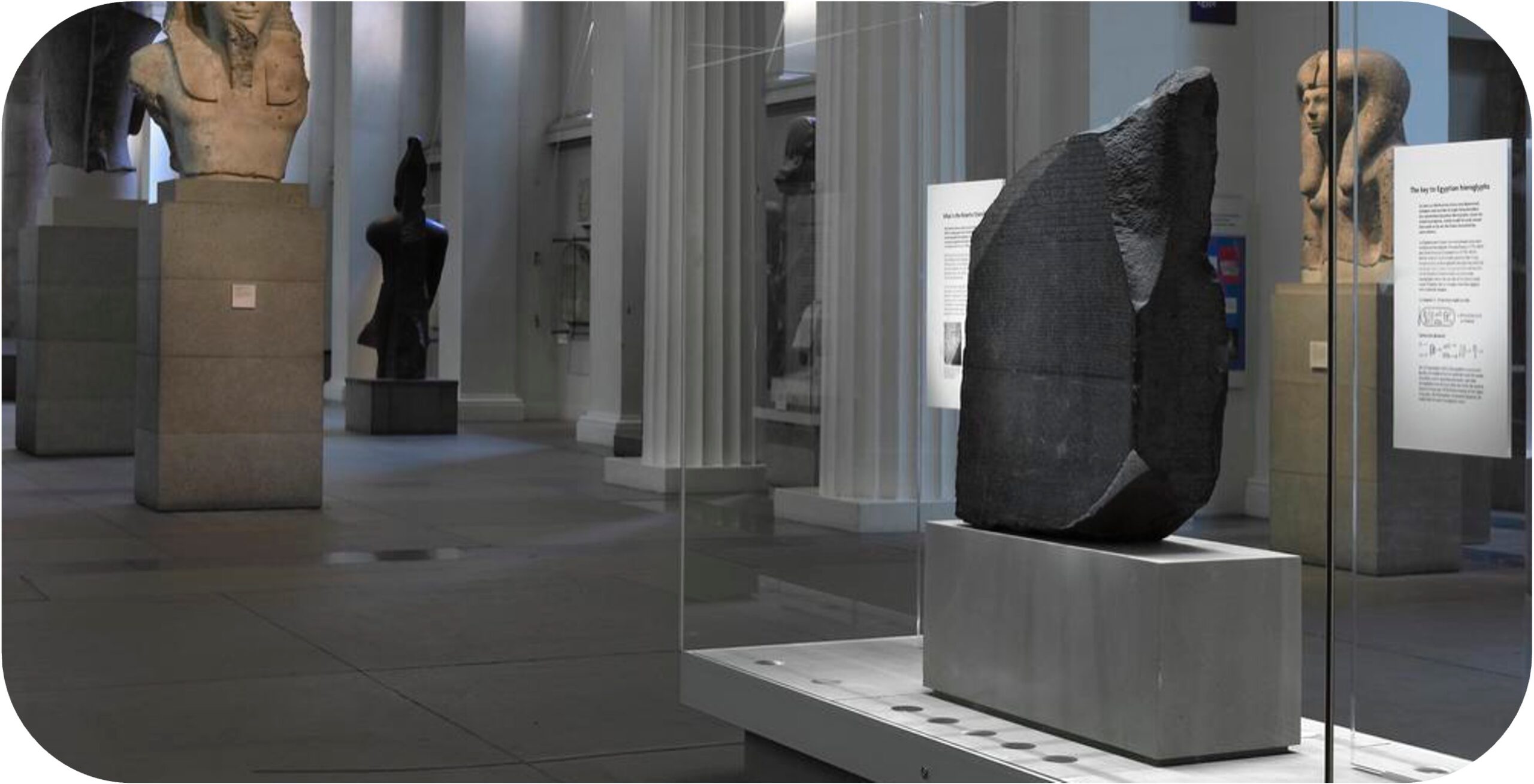
The Rosetta Stone (British Museum, London)
Discovered by French soldiers in 1799 and surrendered to the British as a “spoil of war” in 1801, the Stone was the key to unlocking hieroglyphs. It was viewed as a symbol of colonial theft, while the British Museum cites an Act of Parliament and its role in global scientific discovery as reasons for its stay. Arguably, the museum’s most famous exhibit is viewed by 6.5 million people each year.
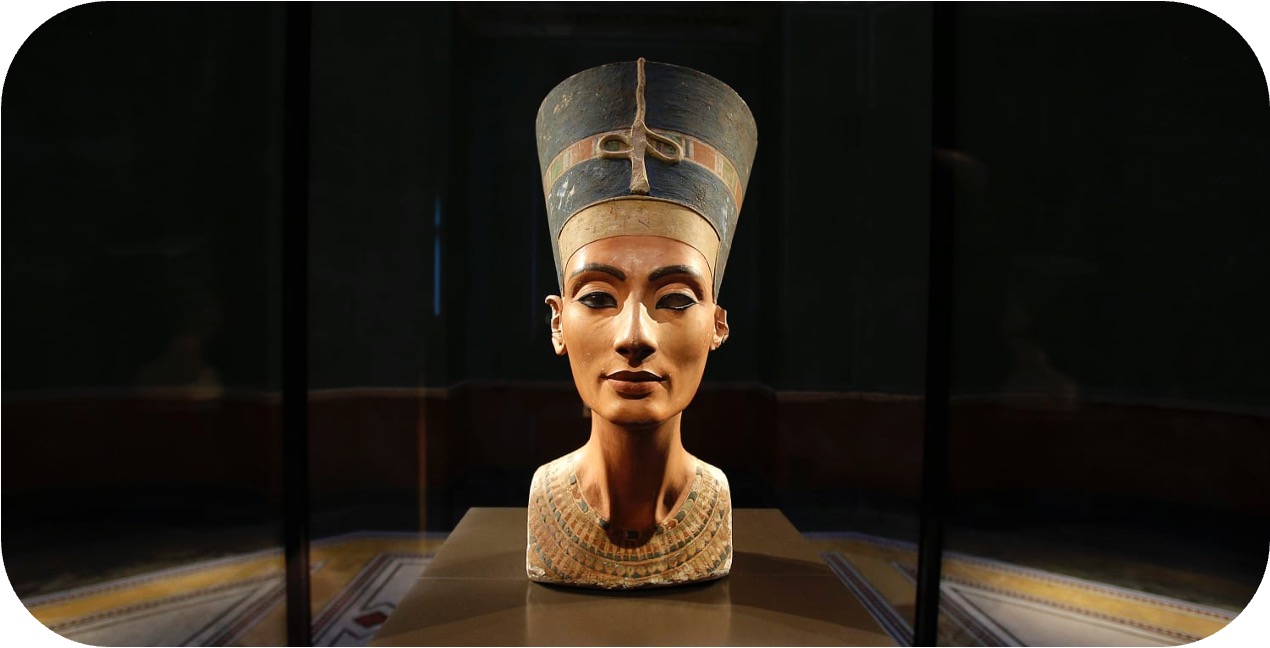
The Bust of Nefertiti (Neues Museum, Berlin)
Found in 1912 by German archaeologist Ludwig Borchardt, the bust is the subject of a bitter dispute regarding its export license. Egypt claims Borchardt intentionally obscured the bust’s value (describing it as a “worthless plaster model”) to smuggle it to Germany. Germany maintains it was acquired legally and is now too fragile to travel. By far, the museum’s most famous artefact attracts 3.7 million visitors every year.
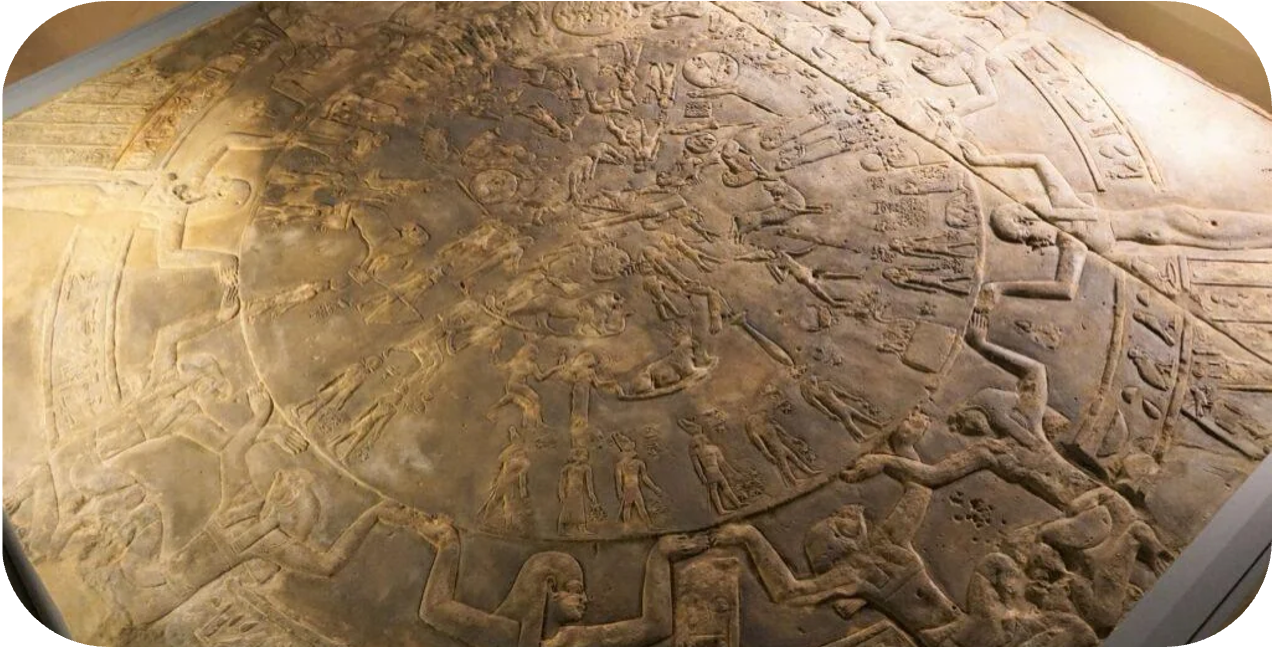
The Dendara Zodiac (The Louvre, Paris)
This massive sandstone ceiling was literally hacked out of the Temple of Hathor in 1821 by a French collector with the permission of Egypt’s then-ruler, Muhammad Ali Pasha. While legally “permitted” at the time, modern critics view it as a prime example of architectural looting that left the original temple scarred. The most visited museum in the world, the Louvre Museum, welcomes around 9 million visitors annually.
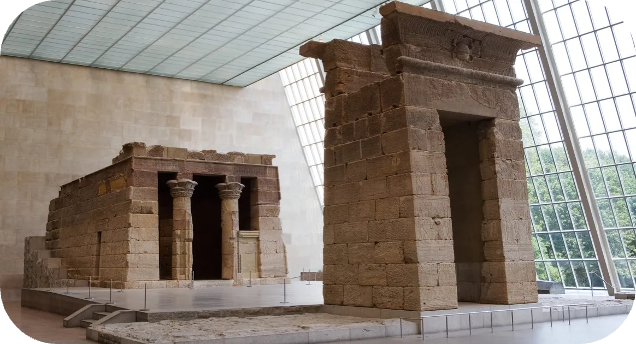
The Temple of Dendur (The Metropolitan Museum of Art, New York)
Unlike the others, this was a legal gift, but many, including me, believe that elected officials have no right to gift statues or buildings from our history. Egypt presented the temple to the United States in 1965 in gratitude for $16 million in aid to save other monuments (like Abu Simbel) from being submerged by the Aswan High Dam. Close to 6.3 million people visit this museum every year.
After a lot of reflection (and inner work on my ego), my view on this has changed, and I didn’t have this realisation lightly. Probably controversial for many of my friends or connections in Egypt who advocate for these artefacts to be returned to Egypt. But I truly believe the wisdom of the Ancient Egyptians should be accessible to all.
While all the lost artifacts remain part of Egyptian DNA, they are not actually lost. They act as connectors to our culture, to the beginning of civilisation. Inspiring generations of global citizens to better understand our rich cultural heritage.
Above all else, these artifacts are seen by more than 25 million people worldwide, who might never have even considered travelling to Egypt before visiting them. The museums themselves invest millions in furthering research and conservation. Imagine the generations of curious students who continue to keep our ancient civilisation alive through their stories, research, and beliefs.